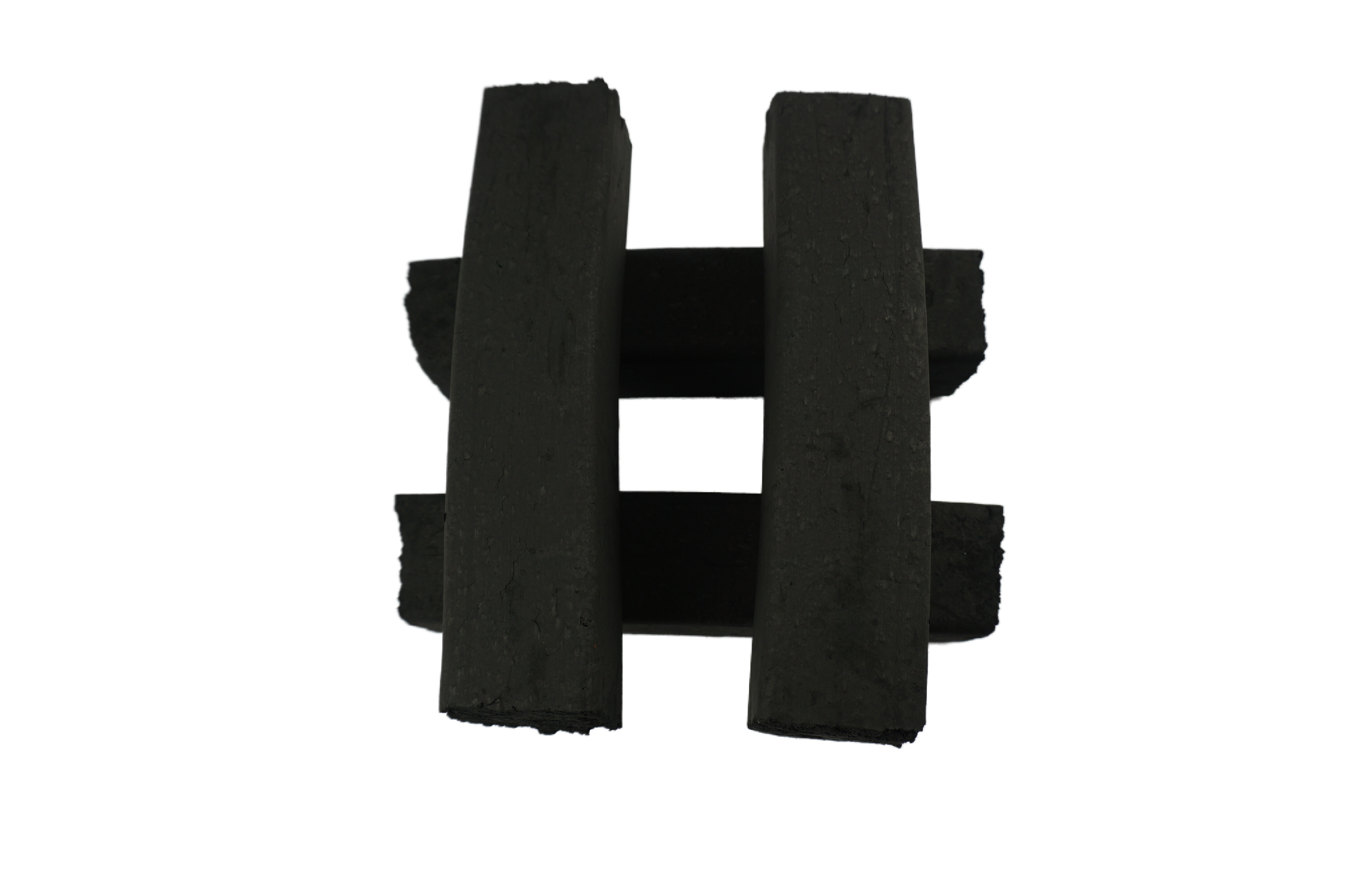
Did you know improper hookah charcoal lighting can ruin your session? Lighting charcoal correctly is key for smooth, flavorful smoke. In this post, you’ll learn what hookah charcoal is, why proper lighting matters, and how to light different types safely.
Step-by-Step Guide to Properly Light Hookah Charcoal
Preparing Your Tools and Environment
Before you start lighting hookah charcoal, gather your essential tools: a pair of sturdy tongs, a reliable heat source (electric coil burner, gas stove, or a charcoal lighter), and a safe place to work. Ensure your environment is well-ventilated, ideally outdoors or near an open window, to avoid carbon monoxide buildup. Clear the area of flammable materials and keep pets and children away. Proper preparation sets the foundation for a safe and effective lighting process.
Lighting Quick-Light Hookah Charcoal: A Beginner-Friendly Method
Quick-light hookah charcoal is popular among beginners due to its ease of ignition. Hold a piece of quick-light coal with tongs above an open flame, such as a lighter or match. It will spark and ignite quickly thanks to its chemical accelerant coating. Rotate the coal to expose all sides to the flame evenly. Once the coal stops sparking and turns a greyish color with a glowing red core, it’s fully lit and ready for use. Avoid placing partially lit coals on your hookah to prevent inhaling harmful fumes.
Lighting Natural Coconut Husk Hookah Charcoal: Best Practices
Natural coconut husk coals require a bit more patience but reward you with a cleaner, longer-lasting smoke. Place the coals on an electric coil burner or gas stove set to high heat. After about 5 minutes, flip the coals using tongs to ensure even ignition on all sides. Continue heating for another 3-4 minutes until the coals turn grey-white and glow orange underneath. This indicates full ignition. Avoid lighting these coals on flat electric stovetops, as they can crack the surface and prevent proper airflow needed for ignition.
Lighting Wood-Based Hookah Charcoal: Tips and Techniques
Wood-based hookah charcoal, often made from lemonwood or bamboo, shares a similar lighting process with natural coconut coals. Use an electric coil burner or gas stove, heating the coals on high for about 5 minutes per side. Flip them carefully to expose all surfaces evenly. When the coals develop a grey ash layer and emit a steady orange glow, they are ready. Wood coals add a subtle flavor to your hookah session and burn steadily, making them a favorite among experienced smokers.
How to Identify When Charcoal is Fully Lit
Recognizing fully lit hookah charcoal is crucial for a smooth session. Fully lit coals will have:
A consistent grey-white ash coating on all surfaces
A glowing red or orange core visible through the ash
No visible black or unburnt spots
No active sparking or smoking beyond a thin smoke haze
Using coals before they are fully lit can cause unpleasant chemical tastes and unsafe inhalation of carbon monoxide.
Common Lighting Mistakes and How to Avoid Them
Using insufficient heat: Coals need direct, consistent heat to ignite properly.
Not flipping coals: Uneven heating leads to black spots and inconsistent burning.
Lighting indoors without ventilation: This risks carbon monoxide poisoning.
Handling coals without tongs: Always use tongs to avoid burns.
Placing unlit coals on the hookah: This causes harsh smoke and chemical taste.
Avoid these mistakes by following proper lighting methods and safety precautions.
Handling and Transporting Lit Hookah Charcoal Safely
Once your coals are fully lit, handle them with care. Use long tongs to transfer them onto your hookah bowl, minimizing the risk of dropping hot coals. If you need to move lit coals, place them on a heat-resistant tray or a designated charcoal carrier. Never carry lit coals in your hands or on flammable surfaces. Keep a fireproof ashtray nearby to safely dispose of used coals.
Comparing Hookah Charcoal Types and Their Lighting Needs
Quick-Light Charcoal: Pros, Cons, and Lighting Tips
Quick-light hookah charcoal is the go-to choice for beginners and those looking for convenience. These coals ignite rapidly because they contain a chemical accelerant that sparks when exposed to an open flame. The best way to light hookah charcoal of this type is simply to hold it with tongs over a lighter or match until it starts sparking and glowing red. Rotate the coal to ensure even ignition on all sides. Once the coal is covered with a grey ash layer and the sparking stops, it’s ready to use.However, quick-light coals have some downsides. The chemical coating can impart an unpleasant taste to your smoke and may produce harsher smoke. They also burn hotter and faster, which can lead to burnt shisha if not managed carefully. For those wondering how to start hookah charcoal safely with quick-lights, always ensure they are fully lit before placing them on your hookah bowl to avoid inhaling harmful fumes.
Natural Coconut Husk Charcoal: Benefits and Lighting Requirements
Natural coconut husk charcoal is favored by experienced smokers for its clean, long-lasting burn and neutral flavor. Unlike quick-light coals, these require a more patient lighting approach. The best way to light natural hookah charcoal is using an electric coil burner or gas stove. Place the coals directly on the heat source and allow them to heat for about 5 minutes on one side, then flip and heat for another 3-4 minutes. They’re fully lit when they exhibit a uniform grey-white ash coating with a glowing orange core.Lighting natural coals properly enhances your hookah session by preventing chemical tastes and ensuring consistent heat. This method may take longer but rewards you with a smoother, more flavorful experience. Avoid lighting these coals on flat electric stovetops, as it can damage the surface and hinder proper ignition.
Wood Charcoal: Flavor Impact and Lighting Process
Wood-based hookah charcoal, often made from lemonwood, bamboo, or other hardwoods, is another natural option that adds a subtle flavor dimension to your smoke. The lighting process for wood charcoal closely resembles that of coconut husk coals. Use a gas stove or electric coil burner, heating each side for about 5 minutes until the coal is fully covered in grey ash and glowing orange underneath.Wood coals burn steadily and provide a slow, even heat that helps maintain the quality of your shisha. Their unique flavor impact makes them a favorite among connoisseurs who want to enhance their hookah experience with subtle woody notes.
Choosing the Right Charcoal for Your Hookah Experience
Selecting the right hookah charcoal depends on your priorities and setup. Quick-light coals offer speed and convenience, making them ideal for beginners or on-the-go sessions. Natural coconut husk coals provide a cleaner, longer-lasting smoke with no chemical aftertaste, perfect for those focused on flavor and session quality. Wood charcoal offers a unique flavor profile and steady burn but requires similar lighting care as coconut coals.Consider your lighting tools, time availability, and flavor preferences when choosing your charcoal. Mastering the hookah coal lighting techniques for your chosen type ensures a safe, enjoyable, and flavorful hookah session every time.
Tools and Equipment for Lighting Hookah Charcoal
When it comes to lighting hookah charcoal properly, having the right tools and equipment can make all the difference. Whether you’re following a beginner guide for hookah charcoal lighting or looking for the best way to light hookah charcoal efficiently, understanding your options helps ensure a safe and effective ignition every time.
Using Electric Coil Burners for Efficient Lighting
Electric coil burners are among the most popular tools for lighting natural hookah charcoal. They provide consistent, direct heat that helps coals ignite evenly. To use one, place your natural coconut husk or wood-based coals directly on the coil and turn it on to high. After about 5 minutes, flip the coals with tongs to heat the other side evenly. Continue until the coals are fully lit, showing a grey-white ash coating and glowing core.Lighting hookah charcoal on an electric coil burner is efficient but avoid flat-top electric stoves. Flat surfaces restrict airflow and can crack due to intense heat, preventing proper ignition. Coil burners also help reduce lighting time compared to open flames, making them a great choice for home use.
Gas Stove Lighting Techniques and Tips
Gas stoves offer another reliable method for hookah charcoal ignition. Place the coals directly on the burner or on a metal mesh above the flame for better airflow. Keep the flame on medium-high and use tongs to flip the coals every few minutes for even heating.Gas stoves are excellent for natural coals, providing a clean flame without chemical odors. However, it’s essential to monitor the heat carefully to avoid overheating, which can cause coals to burn too quickly or crack.
Portable and Outdoor Lighting Options
For outdoor or on-the-go sessions, portable charcoal lighting tools come in handy. Camping gas burners, charcoal starters, and even handheld propane torches can light hookah charcoal quickly and safely.When using portable options, ensure you have a stable, heat-resistant surface and good ventilation. These tools are especially useful for those wondering how to start hookah charcoal safely while camping or traveling.
Heat Management Devices and Their Role
Heat management devices (HMDs) are accessories placed on top of the hookah bowl to regulate heat from the coals. While they don’t directly assist in lighting hookah charcoal, they play a vital role in managing the heat once coals are lit.Using an HMD can extend your smoking session by controlling coal heat transfer, preventing burnt shisha and harsh smoke. Remember, coals must be fully ignited before placing them into any heat management device for optimal safety and performance.
Optimizing Your Hookah Session Through Proper Charcoal Management
How Properly Lit Charcoal Enhances Flavor and Smoke Quality
Properly lit hookah charcoal is the cornerstone of a great smoking experience. When charcoal is fully ignited and evenly heated, it produces a consistent, clean heat source that allows your shisha to release its full flavor without burning. This means smooth, rich smoke with vibrant taste notes. On the other hand, underlit or unevenly lit coals can cause chemical odors or harsh smoke, ruining the session’s quality. Taking the time to ensure your charcoal is fully covered in grey ash and glowing red underneath is the best way to enjoy pure, flavorful clouds.
Preventing Burnt Shisha and Harsh Smoke
Burnt shisha is a common problem when charcoal heat is too intense or poorly managed. Overheated coals cause the tobacco to scorch, leading to bitter, unpleasant smoke. To prevent this, place the coals carefully and avoid piling too many on the bowl at once. Using heat management devices can also help regulate the temperature, ensuring the coals don’t overheat the shisha. Adjusting coal placement throughout the session keeps the heat balanced, preventing hot spots that burn the tobacco.
Managing Heat Distribution with Charcoal Placement
Heat distribution is key to a long, enjoyable hookah session. Spread your hookah charcoal evenly around the bowl’s edge rather than clustering them in the center. This arrangement allows heat to disperse gradually, heating the shisha evenly and avoiding hotspots. For larger bowls, use more coals spaced apart; for smaller bowls, fewer coals are sufficient. Rotate or move coals periodically to maintain steady heat. This technique ensures consistent smoke production and flavor throughout the session.
Extending Your Smoking Session by Managing Charcoal Usage
Efficient charcoal management extends your hookah session and saves you money. Start with fewer coals and add more gradually as needed. Removing ash buildup from coals with your tongs helps maintain airflow and heat. Using natural coals, which burn slower and longer than quick-light types, also prolongs sessions. Additionally, employing heat management devices can reduce coal consumption by controlling heat transfer. These practices help you get the most out of each coal while maintaining an enjoyable smoke.
Troubleshooting Common Issues When Lighting Hookah Charcoal
Lighting hookah charcoal properly can sometimes be tricky, especially for beginners. Even with the best hookah charcoal lighting methods, you might encounter issues. Below are common problems and practical solutions to help you master hookah coal lighting safely and effectively.
Dealing with Charcoal That Won’t Light
If your hookah charcoal refuses to ignite, consider these points:
Insufficient Heat Source: Natural coals require a strong, consistent heat source like an electric coil burner or gas stove. Weak flames or low heat settings may delay ignition.
Poor Airflow: Ensure coals have enough airflow during lighting. Avoid placing them on flat surfaces that block oxygen.
Moisture Content: Damp or old charcoal can be hard to light. Store your coals in a dry place to maintain quality.
Solution: Use a reliable heat source at high temperature and keep turning the coals every few minutes. For natural coals, expect a longer lighting time compared to quick-light charcoal.
Handling Charcoal That Burns Too Quickly or Unevenly
Quick-light coals often burn hotter and faster, which can lead to uneven heat and a shortened session. Uneven burning may also occur if coals are not flipped regularly during lighting.Tips:
Rotate coals frequently while lighting to ensure even ignition.
Avoid stacking too many coals at once on your hookah bowl.
Use natural coals for longer, steadier burns.
Uneven burning can cause hot spots that burn your shisha or cold spots that reduce smoke quality.
Avoiding Chemical Flavors from Quick-Light Coals
Quick-light hookah charcoal contains chemical accelerants for rapid ignition, but these chemicals can produce unpleasant tastes and unsafe fumes if coals are not fully lit.How to prevent this:
Always wait until quick-light coals are completely covered with grey ash before placing them on your hookah.
Avoid inhaling smoke from partially lit coals to reduce exposure to harmful chemicals.
Consider switching to natural coconut husk or wood-based coals for a cleaner flavor.
When to Replace Your Charcoal and Lighting Equipment
Regularly inspect your charcoal and lighting tools. Replace coals if they:
Are excessively brittle or crumbly, indicating poor quality or age.
Fail to ignite properly despite correct lighting methods.
Replace lighting equipment like electric coil burners or gas stove parts if they:
Maintaining quality coals and tools ensures consistent, safe hookah charcoal ignition.
Conclusion
Mastering hookah charcoal lighting involves using proper techniques for quick-light, natural, and wood-based coals. Choose the charcoal type that fits your flavor and session needs for the best experience. Always prioritize safety by ensuring good ventilation and using the right tools. With practice, your lighting skills will improve, leading to smoother, more enjoyable sessions. Zhejiang Apex Energy Technology Co., Ltd. offers high-quality products that enhance your hookah experience with reliable, safe, and efficient charcoal options.
FAQ
Q: What is the best way to light hookah charcoal properly for beginners?
A: The best way to light hookah charcoal properly for beginners is to use a reliable heat source like an electric coil burner or gas stove. Hold the charcoal with tongs, rotate it evenly, and wait until it’s fully covered in grey ash with a glowing core before use. This beginner guide hookah charcoal lighting method ensures safety and optimal heat.
Q: How do I start hookah charcoal safely to avoid harmful fumes?
A: To start hookah charcoal safely, always light it in a well-ventilated area using tongs and a proper heat source. Avoid placing partially lit coals on your hookah, especially quick-light charcoal, as this can release harmful chemicals. Wait until the charcoal is fully ignited with a grey ash coating before use.
Q: What are some effective hookah charcoal lighting tools?
A: Effective hookah charcoal lighting tools include electric coil burners, gas stoves, charcoal starters, and sturdy tongs. These tools help evenly ignite natural or wood-based hookah charcoal, ensuring consistent heat and safety during ignition.
Q: Why does my hookah charcoal burn unevenly and how can I fix it?
A: Uneven burning often happens if coals aren’t flipped during lighting or if heat distribution is inconsistent. Rotate your hookah charcoal regularly while lighting and use a strong heat source like a coil burner or gas stove. Proper charcoal preparation and lighting methods prevent hot or cold spots.
Q: How do lighting natural hookah charcoal and quick-light charcoal differ?
A: Lighting natural hookah charcoal requires more time and consistent heat from an electric coil burner or gas stove, with flipping for even ignition. Quick-light charcoal ignites faster due to chemical accelerants but must be fully lit to avoid chemical tastes. Both need proper charcoal ignition techniques for best results.


